



Hike Difficulty Grading
It’s easy to depend solely on a hike difficulty grading instead of using it as a pre-hike guide. Each hike is unique and somewhat unpredictable: weather and trail conditions can differ dramatically within a few hours. It’s also essential to be attentive to other daily influences, like the participants’ ages, abilities, and the hike length (day or multiday hikes).
This Hike Difficulty Grading and other hike preparation pages on the LifeTrail website have been designed mainly for LifeTrail Teen Hikes and NDIS Naturbility Hikes. Still, it would assist anyone planning their hike.
Prepare For Your Multiday Hike
Hiking Food
Multiday Day Gear List
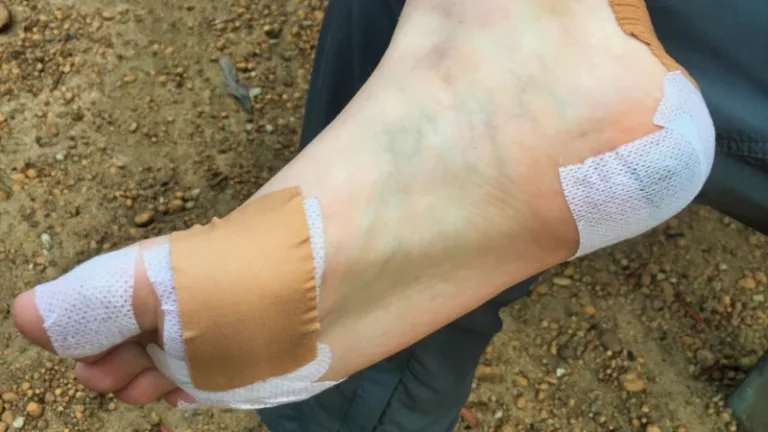
How you prepare yourself and gear before your hike will dramatically affect how challenging your hike is. Incorrect footwear can lead to nasty blisters, and beginning a hike with an injury that hasn’t fully recovered can lead to much pain and a much longer recovery. Using the wrong gear, a backpack hipbelt, which is too big for you, will lead to painful shoulders and high exhaustion rates. These don’t solely affect you; they will affect others if you’re in a group.
However, Australia has created its own Hike Difficulty Grading that this is based on. Multiday hikes will generally be a grade 3 to 4 due to the total distance and carrying a 15 kg plus backpack.
There is no such thing as a bad hike, only wrong gear and a bad attitude
Hiking for beginners can be challenging and scary. Didier has many years of experience assessing people’s (all ages) physical, mental, and attitude capabilities due to his work in disability and mental health services. He reserves the right to request a further assessment from your medical specialist before anyone participates in a hike. Didier always welcomes a chat to discuss your dream hike, whether one hour or the 1000 km Bibbulmun Track.
The following hike classes are based on the Walking Trail Classifications designed by the WA government Department Of Parks and Wildlife (DPAW), which LifeTrail is licenced by.
Class 1 – Easiest
All abilities access, flat, even, hardened surface with no steps or steep sections. Suitable for unassisted wheelchair users and prams. Clear directional signage. No hiking experience required.
Class 2 – Easy
Easy trail with modified or hardened surface, and gentle hills or occasional steps. Clear directional signage. No hiking experience required. May be suitable for assisted wheelchair users (if ramps are provided at steps).
Training tip: The participant will find this hike more enjoyable if they can climb 10 steps at once while carrying a 5kg pack.
Class 3 – Moderate
Moderate trail that may have short steep hills, rough surface, many steps or some rock hopping. Directional signage. Some bushwalking experience and moderate fitness required.
Training tip: The participant will find this hike more enjoyable if they can climb 100 steps at once while carrying a 10kg pack.
Class 4 – Difficult
Difficult trail with rough surface that may have very steep hills or extensive rock hopping. Directional signage may be limited. Bushwalking experience, navigation and emergency first aid skills, and good fitness required.
Training tip: The participant will find this hike more enjoyable if they can walk 15 to 20 km in a day and comfortably climb 200 steps at once while carrying a 10kg pack, potentially more than once daily.
Class 5 – Extreme
Extreme trail with very rough surface, and may have very steep hills, arduous rock hopping or rock scrambling. Limited or no directional signage. For very experienced bushwalkers with navigation and emergency first aid skills, and high level of fitness.
Training tip: The participant will find this hike more enjoyable if they can walk more than 20 km daily and climb 200 steps at once while carrying a 17kg pack, potentially more than once a day.