Meet Didier
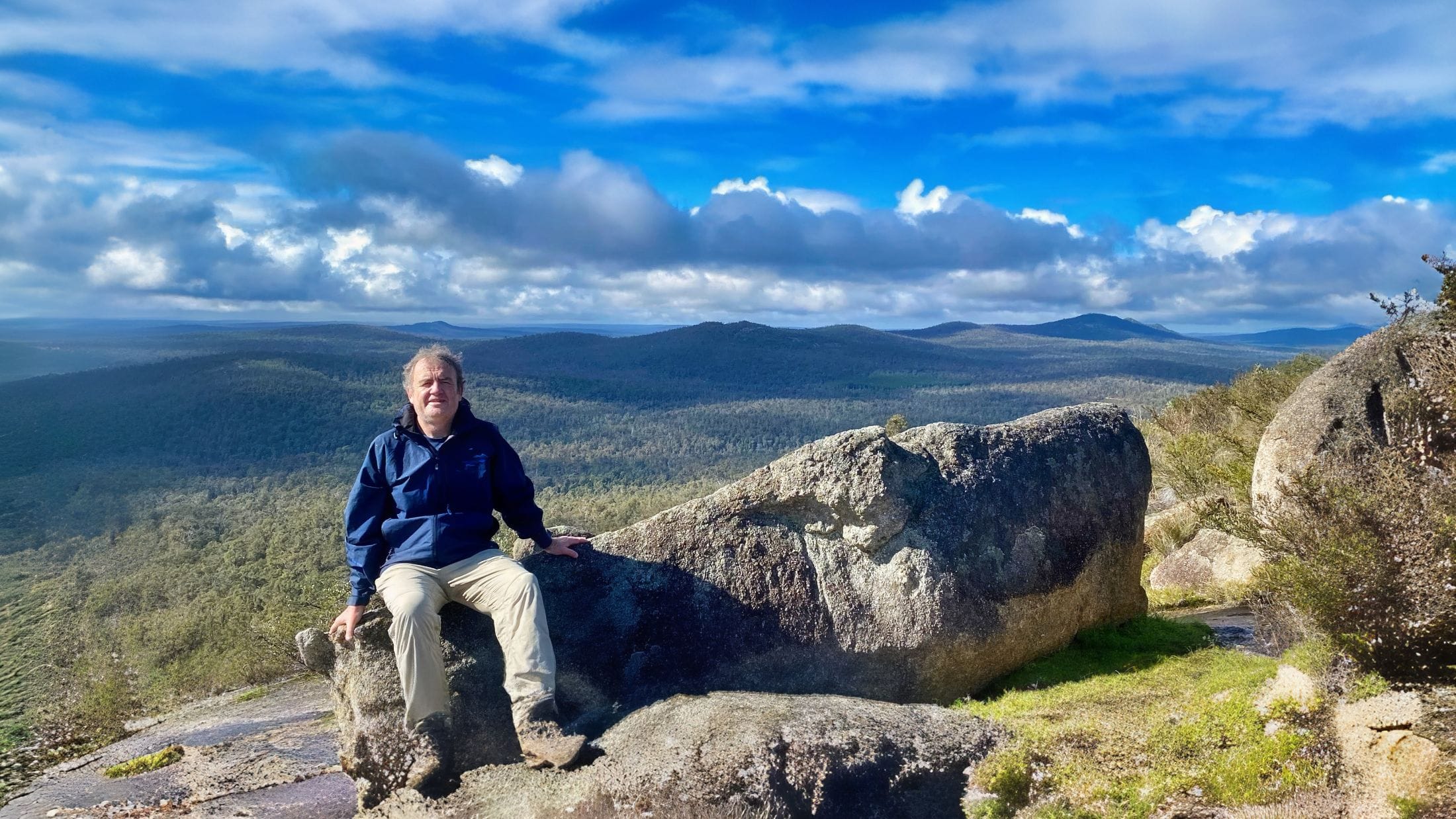
I'm Didier Monot, the founder of LifeTrail, Hikefulness® hiking guide, professional mentor and Denmark WA local.
I guide people on the Bibbulmun Track and through the forests, coastlines and quiet places around Denmark and the Great Southern. I also work as a professional mentor, supporting people with confidence, independence, direction and change.
Both parts of my work come from many years of experience, many kilometres walked, and a genuine belief that people do better when they feel safe, respected and properly supported.
LifeTrail is the business name, but the work is personal.
People usually want to know who they are trusting. They may be trusting me with their child, their hike, their NDIS support, their first overnight pack, or a part of life that feels uncertain.
That is why this page matters. It is about who I am, where I come from, why walking in nature, outdoors became such an important part of my life, and how that now shapes the way I guide and mentor others.
The thread was always there
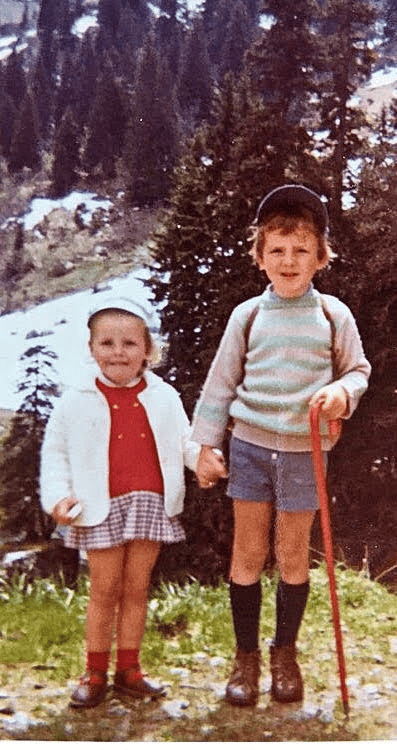
I was born in Vevey, near Lausanne, Switzerland. Some of my earliest memories are connected to mountains, forests, walking, mushroom hunting and being outdoors with family.
When I moved to Australia as a child, I eventually grew up in Rockingham, south of Perth. It was a very different landscape from Switzerland, but the pull towards open space, tracks, bushland and distance stayed with me.
As a teenager, walking was simply something I was drawn to. I did not have the language for it then. I did not know it would become part of my work, my recovery, my business and my way of supporting other people.
But looking back, the thread was always there.
I never enjoyed school, it was a struggle educationally, mentally and emotionally, so when not there I guess I needed space. I needed movement. I needed the kind of place where life became simpler for a while. Most hiking and bike riding was done alone, I don’t ever remember finding that lonely or negative.
Walking became part of how I found my way again
Like many people, I reached a point in life where things had become too much.
In 2015 I was unhealthy, overweight, stretched and carrying more than I realised. I had responsibilities I was not handling very well — work, marriage, family life, pressure, and the kind of exhaustion that does not disappear after one good night of sleep.
Walking became one of the ways I started to find steadiness again.
It happened quite unexpectedly after my marriage ended. A psychologist said to me:
“Didier, find a passion and a distraction to lighten your load. If it happens to be the same thing, that’s perfect.”
At first, it was not grand or heroic. It was just one walk, then another.
I began around places like Dwellingup and the Bibbulmun Track. I got things wrong. I got lost. I learned. I walked further. I slowly became more capable.
One of my early overnight hikes was to Swamp Oak, the first campsite south of Dwellingup. It was not a huge distance by expedition standards, but it mattered. It was one of those moments where I realised that walking with a pack, sleeping outside and moving through the bush could change how I felt inside myself.
Only four months later, I made the decision to walk the entire 1000 km Bibbulmun Track solo, end-to-end.
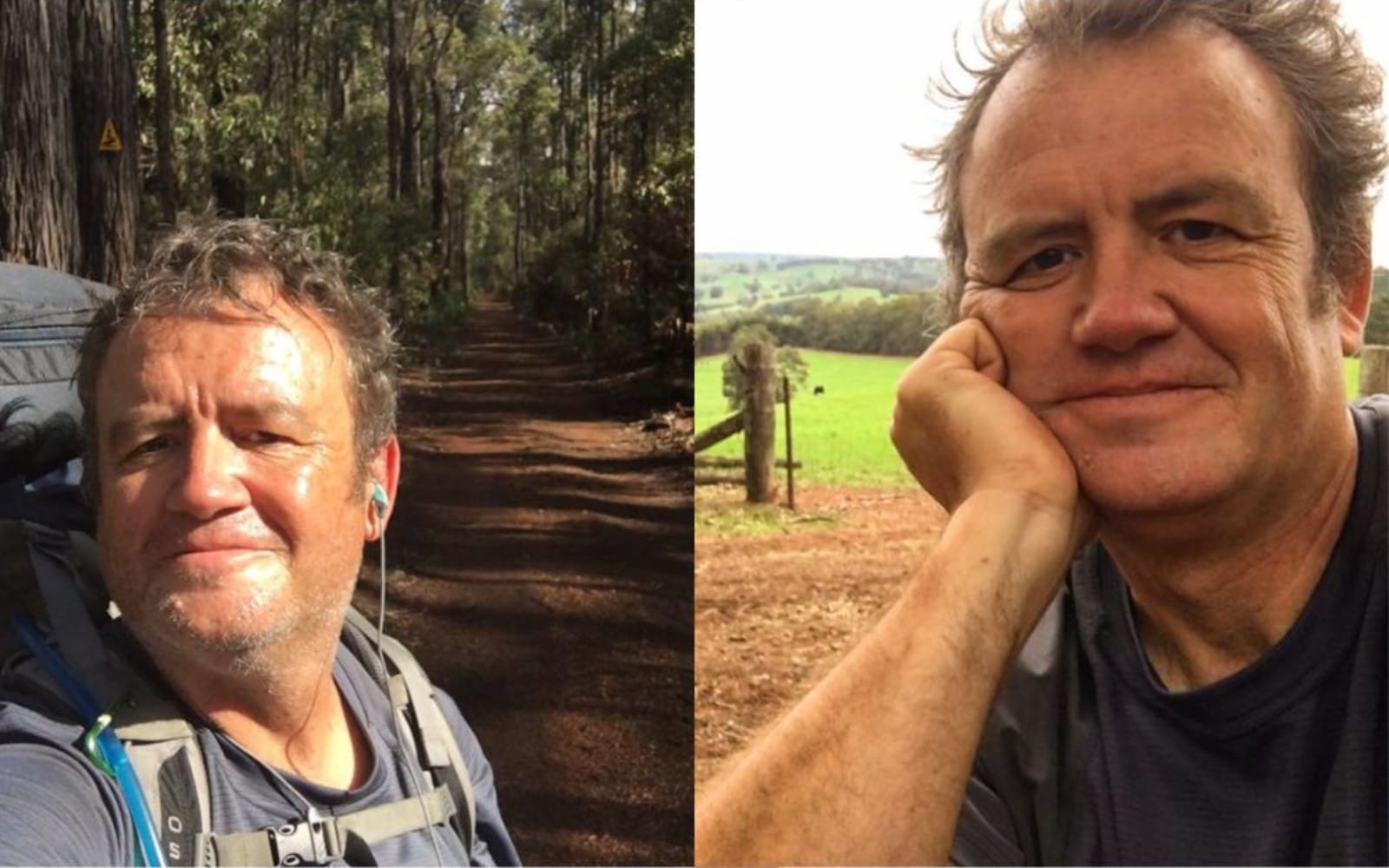
In June 2016, I completed the 1,000 kilometre track in 68 days. I spent around 85% of it by myself and lost 20 kilograms along the way.
That experience changed the direction of my life.
Not in a flashy way. Not in a motivational-speaker way. More in the quiet way the track often works. Day after day, kilometre after kilometre, it stripped things back. It gave me challenge, rhythm, discomfort, beauty, fatigue, confidence and space to think.
It helped me remember parts of myself that had become buried under stress.
I no longer recognise the Didier before that walk.
“When a journey’s time has come, it cannot be stopped.” — Didier
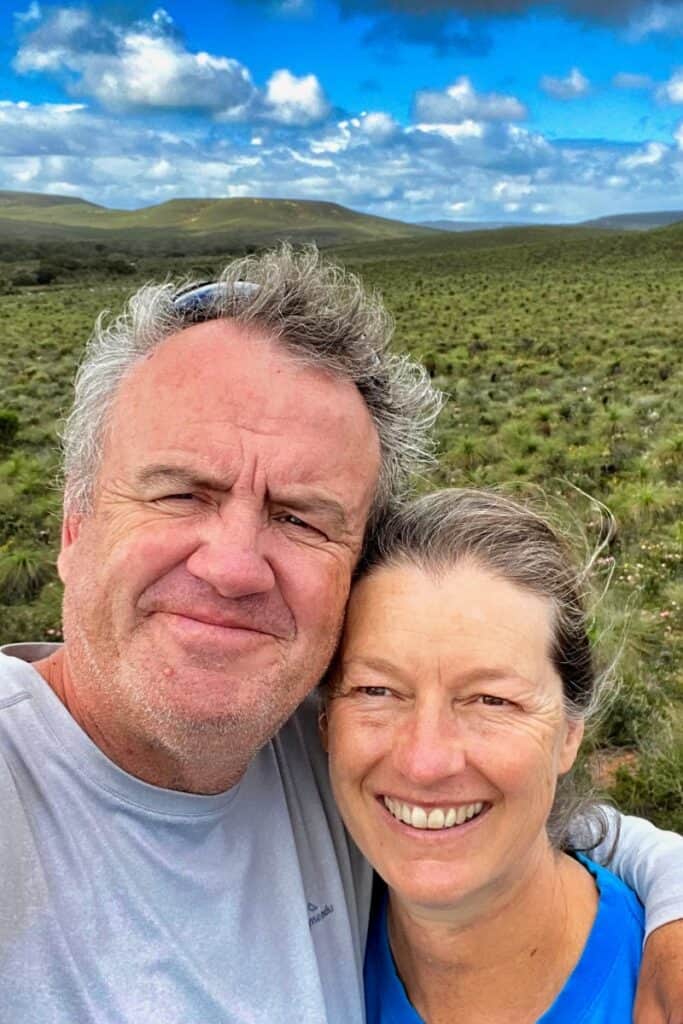
Why Denmark matters to me
I now live in Denmark WA since September 2026, this special place to live feels deeply connected to the work I do.
The forests, coast, granite, weather, Bibbulmun Track and small community all shape how I guide and mentor. Denmark is not just the location of LifeTrail. It is part of the character of the business.
People in the local tourism industry have told me that what I offer feels made for Denmark, like a glove. I understand what they mean.
This is a place where people can slow down.
Greens Pool is my local beach. Even on a busy day during the school holidays, there is a calm there that is hard to explain. People feel it. They tell me they feel it.
Around Denmark, you can walk under karri and tingle forest, stand on wild coastline, feel the weather change quickly, or follow a quiet section of track where there is nothing to perform and nowhere to rush.
For me, Denmark is not a backdrop.
It is where Wendy, my partner, and I live on five acres with karri trees. It is where I live, work, walk, play, grow my own food, guide, mentor and continue to learn from the landscape around me.
It is also where LifeTrail is now based.
How LifeTrail grew from this
LifeTrail grew from my own walking journey and my years of mentoring.
Before LifeTrail became a business, I had already spent years supporting people through life, work, disability, youth mentoring, confidence, independence and change. I also spent many years working alongside Occupational Therapists. That helped shape the way I observe, assess, support and mentor people in practical, goal-based ways. Walking gave that work another layer.
If you want to understand more about the journey behind LifeTrail, you can read The LifeTrail Story.
Frequently asked questions
I'm the founder of LifeTrail, a hiking and mentoring practice based in Denmark, Western Australia.
Yes. LifeTrail is based in Denmark, Western Australia, in the Great Southern region. Denmark is central to the way I guide, mentor and work with people.
LifeTrail offers two main pathways: guided hiking and professional mentoring. They are different services, but both are shaped by my experience, values and connection to Denmark WA.
No. LifeTrail hikes are not therapy. They are guided outdoor experiences. They may feel calming, meaningful or personally helpful, but they are not counselling, clinical treatment or therapy sessions.
Yes. I offer professional mentoring for self-managed and plan-managed NDIS participants, as well as private mentoring where suitable.
Sometimes, yes. Mentoring may include walking where it suits the person and their goals. The focus remains on the mentoring goals, not on completing a hike.
No. You are welcome to contact me first. I can help you work out whether LifeTrail is the right fit and which pathway makes the most sense.
Yes, I offer and am fully insured to offer mentoring to anyone who feels they will benefit.