
Hiking Food and Hydration
Hiking Food Is Pure Energy
It’s no longer comfort food; it’s fuel energy. Many people tell me food has never tasted so good; your priorities change. Carrying all the nutrition you need for a multiday hike changes the way you look at eating. This page is part of Prepare For Your Multiday Hike.
Dehydrated food is lighter as you don’t carry the liquid
Whatever you carry in, unless you eat it, you carry it out.
Plan food in easy-to-carry packaging to carry back out; there are no bins, e.g., a vacuum pack is better than tin.
CALORIES – CARBOHYDRATES – PROTEIN
…are a calculated priority on trail, for most people what you eat at home, no longer matters.
The only way your pack will become lighter is when you eat.
Dehydrated ingredients weigh less to carry; sauce is heavy; add water at the campsite, Bibbulmun Track campsites have rainwater tanks with water that has not been treated, follow your own learning and choices on how to handles rain water tank water.
Can I bring tinned food on a hike? – They’re way too heavy, don’t have enough calories, and create bulky trash to carry out
If you plan on carrying a heavier meal or maybe leftovers from home, eat it on day one.
Can I throw away any part of a fruit on trail? – You cannot throw away apples, pear cores, banana peel or any leftover fruit into the bush. There are native animals attracted to the sugar in fruit and will eat it, but sadly, they receive so much of a sugar rush that it will make them very sick and even kill them.
The specific food you need on a hike may depend on the duration of the hike, km each day & how/what you usually eat. For instance, on day one, you can carry something.
You cannot compare the food you need at home to what you need on a multiday hike.
You need calories, fats and lots of them. There is no room for low or no-fat foods because they give you no energy. If you are not a big eater, bring smaller quantities you are used to but foods higher in calories.
Your body will need sodium (salt) to replace the sweat that will be pouring out of you during a long day’s hike.
You need carbohydrates for energy; eat them during your evening meal.
You need protein for muscle recovery. At the end of a long, hard day, your leg muscles must recover for the next day.
They will feel amazing with rest, 10 hours of sleep, protein, and calories.
Hiking Food Ideas
Breakfast
- Oats or muesli with full cream powder milk
- Muesli or energy bar
Lunch
- Wraps or crackers with, e.g., tuna, peanut butter, Laughing Cow Cheese, Emmental cheese
- Packaged salads with, e.g., rice, tuna, chicken, beans
- Hard dried meats
Dinner
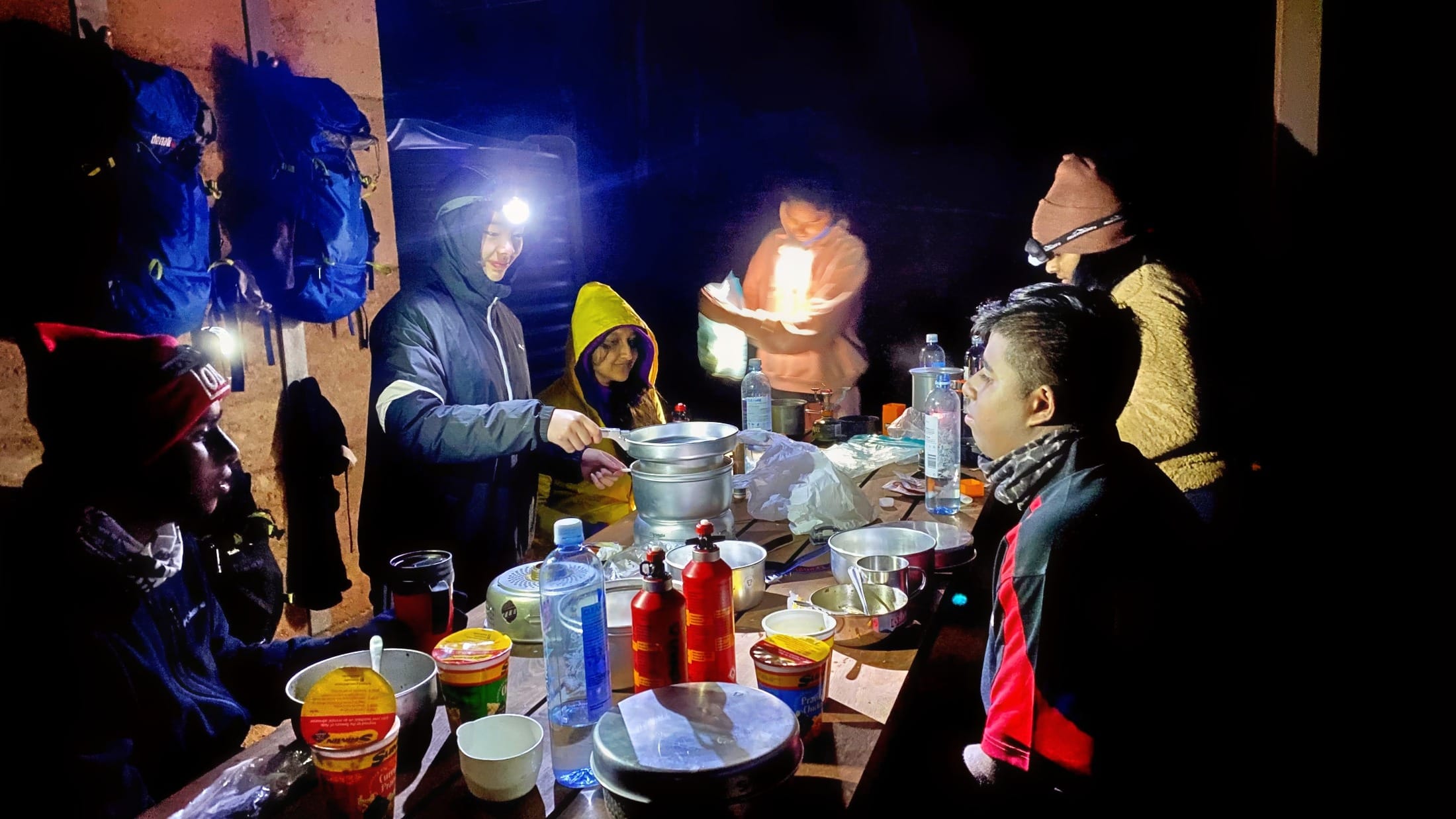
- 2 Minute Noodles with, e.g., dehydrated peas, mushrooms or anything that is light and won’t go off
- Continental pasta meals – Need milk, so use powdered milk. The meal is low fat; add extra virgin oil
- On the first night of a hike, you could eat a home-cooked meal that is practical and won’t go off
- Instant soups
- Dehydrated mash potato
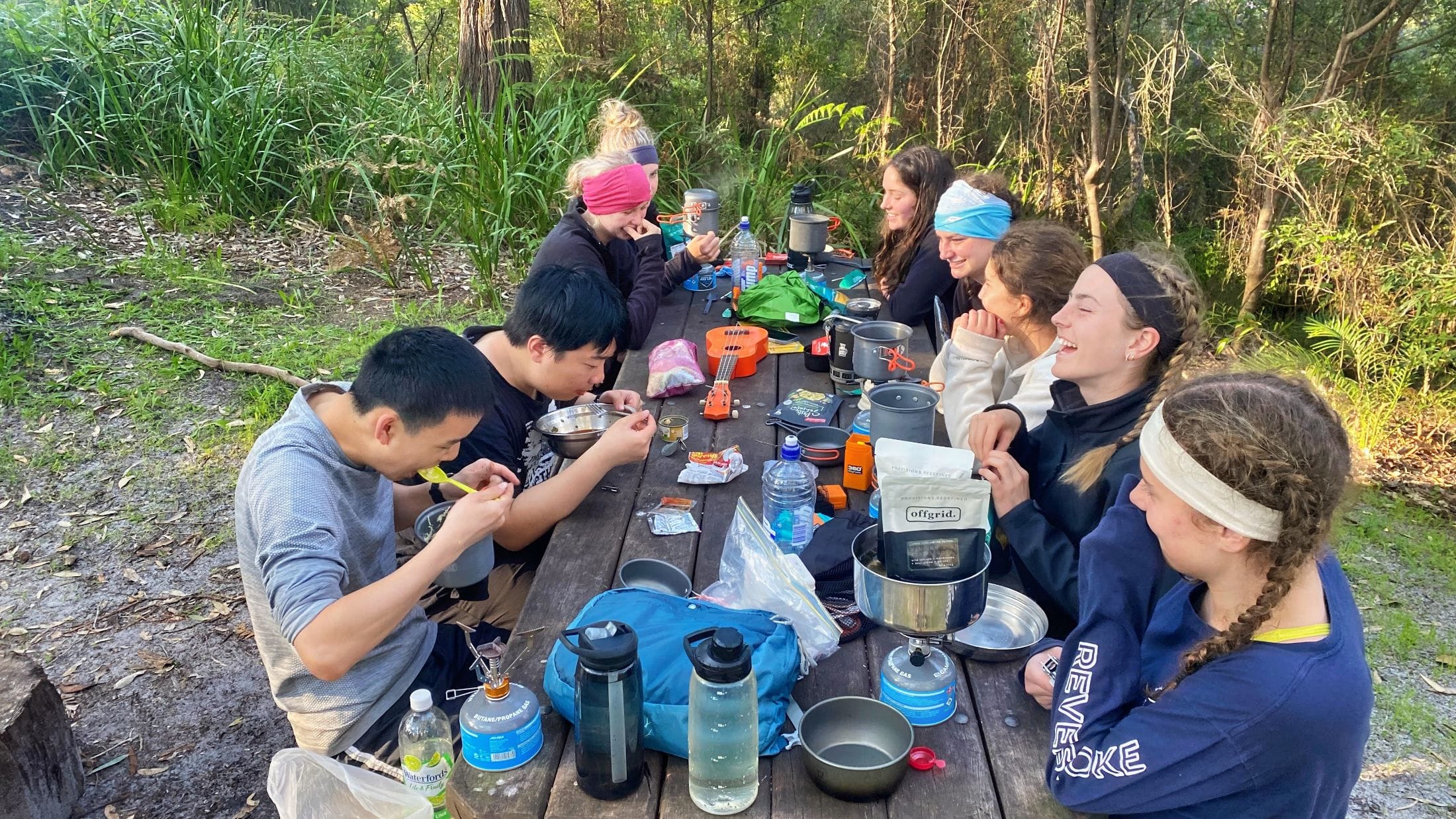
- Freeze-dried hiker meals (research online or at an outdoor/hiking store)
On-Trail Snacks (or whenever you feel like eating them)
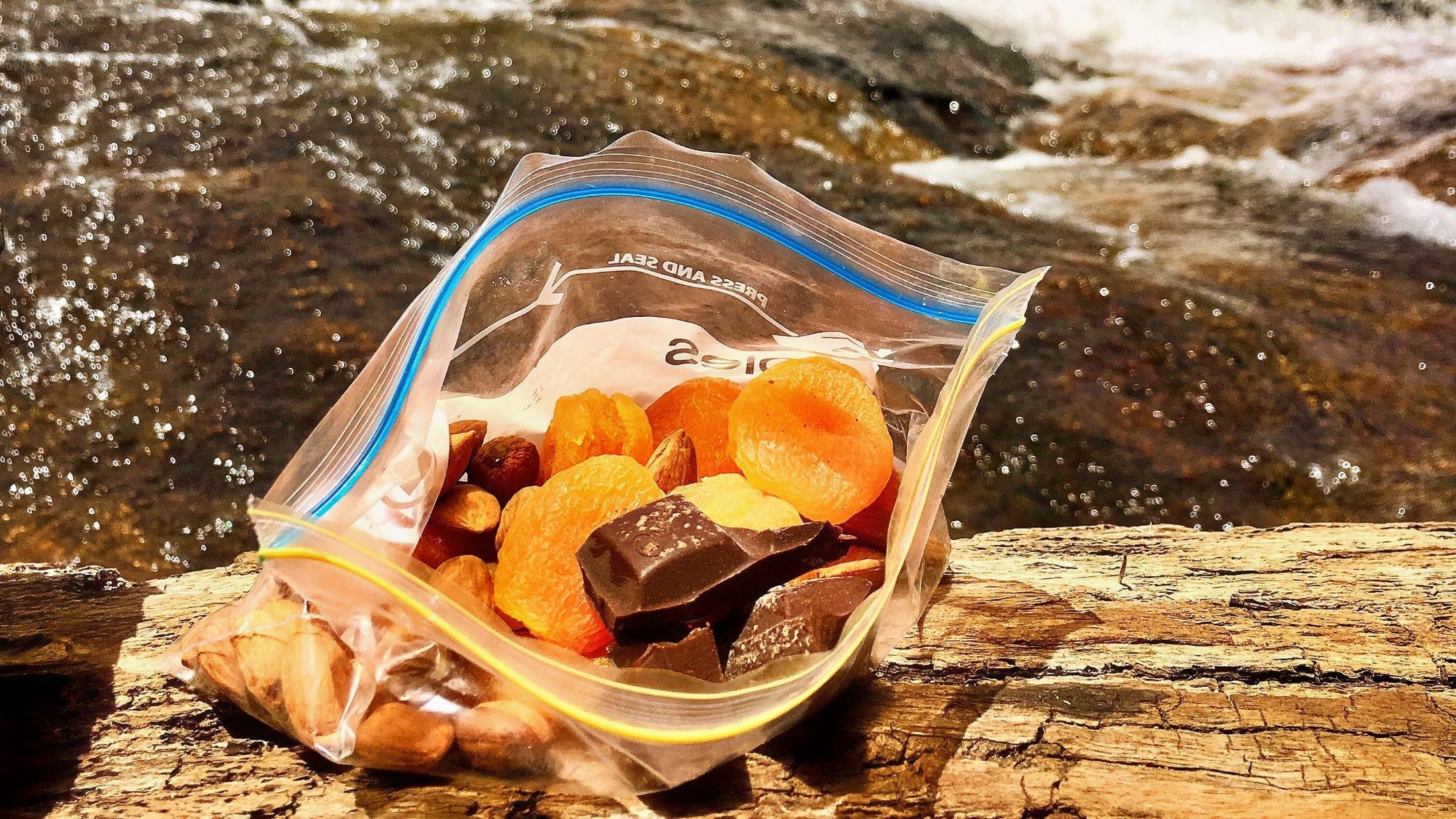
- Trail mix – buy it ready or make your own with your favourite nuts, dried fruit, yoghurt drops, seeds, dark chocolate)
- Muesli bars – but better quality bars; cheaper bars are just full of sugar
- Protein bars – They tend to be very low in fat.
- Nuts
- Dried fruit
- Jerky
- Snickers
- Soft lollies – like snakes that are pleasant to chew on as you hike. Sweet, sugary snacks are great for quick energy before a climb or for the last hour of the day
- Peanut M&M’s (they do not melt)
- Honey
- Cheese (Hard cheese like Parmesan or mature cheddar) is not too heavy, it lasts several days.
How To Keep Hydrated
During a hike and in the zone, it is easy to forget to drink or put it off until you have a break, if all your water is in bottles and hard to access.
You are 60 percent water, during a hike you will lose a good amount of that fluid through sweat, it needs to be replaced. Preferably from constant smaller drinks rather than guzzling a litre during the break.
When you deplete yourself of fluids, and it turns into a craving, you may tend to drink a lot more all at once, you become bloated and it is hard to catch up to the feeling of being hydrated. When your body is run down, your muscles are tight and sore, you physically are tired, drinking too much water too quickly can cause you to vomit it back up again.
How hydrated you are during a hike can be affected by how you carry it.
Bottles vs water bladder. Carrying your water in bottles has its advantages including being able to see how much you have drunk and how much you have left. It also makes you stop and have a break. It is also easier to include electrolytes in a bottle.
The water bladder allows you to access water more often and is more accessible. Your water bladder tends to be stored inside your backpack which assists your water to keep cool. Bottled water can become warm on a hotter sunny day.
Hydration Ideas
- Water (campsites have rainwater tanks. The water tanks state that the water has not been treated, it each hikers responsibility to decide whether to treat the water or not. You will meet many hikers who have never treated their water, including myself. )
- Electrolyte drink powders (essential in warmer weather)
- Dried cuppa soup
- Chocolate drink with powdered milk
- Hot drinks
Packing Your Hiking Food
Plan out your daily meals required on a table or bed in rows of breakfast, lunch, dinner, snacks/extra rows.
Helpful Video: Hike Meal Preparation
When I was learning to manage my food for a multi-day hike or my Bibbulmun Track end-to-end, I had a large Ziplock bag for each day; then I marked day one on the front, then so on for the rest of the days. Then you know where to find each day’s food when needed. For instance, the issue with placing all your snacks in one bag is knowing how much you are eating; halfway through the hike, you have run out. During a hike, you can find yourself not wanting to eat at all or wanting to eat continuously; both are normal.
Dehydrating Your Hiking Meals
Dehydrating your hiking meals is not the scary beast you may think. I am not a natural hiking food dehydrator, so I am like probably most of you.
I never dehydrated my meals for several years because I thought it was too hard. Until I tried it once simply, to make snack food, I made my own dehydrated hummus after learning some important rules online.
How to Dehydrate Chickpeas & Hummus
Dehydrate your hummus recipe minus the oil. I just wanted to mention this now. If you already make your own hummus for home, to dehydrate, leave the oil (fats) out which will dehydrate your recipe a lot faster. Carry the extra-virgin olive oil in a tiny plastic bottle and add it to your dried mixture when you are ready to eat it.
Do you need a food dehydrator? No, you don’t! It will work if your normal kitchen oven goes down to a low enough temperature. Do your own research and follow tested safe recipes, especially if you are dehydrating meats.
Try out this site – Trail Food, and have fun.
Plan Your Multiday Hike
Turn your food and hydration plan into a practical packing list. Review the LifeTrail multiday gear guide, or contact Didier if you would like help planning a supported hiking experience.