
Day Hike Gear List for Denmark, WA
Why This Gear Matters on the South Coast
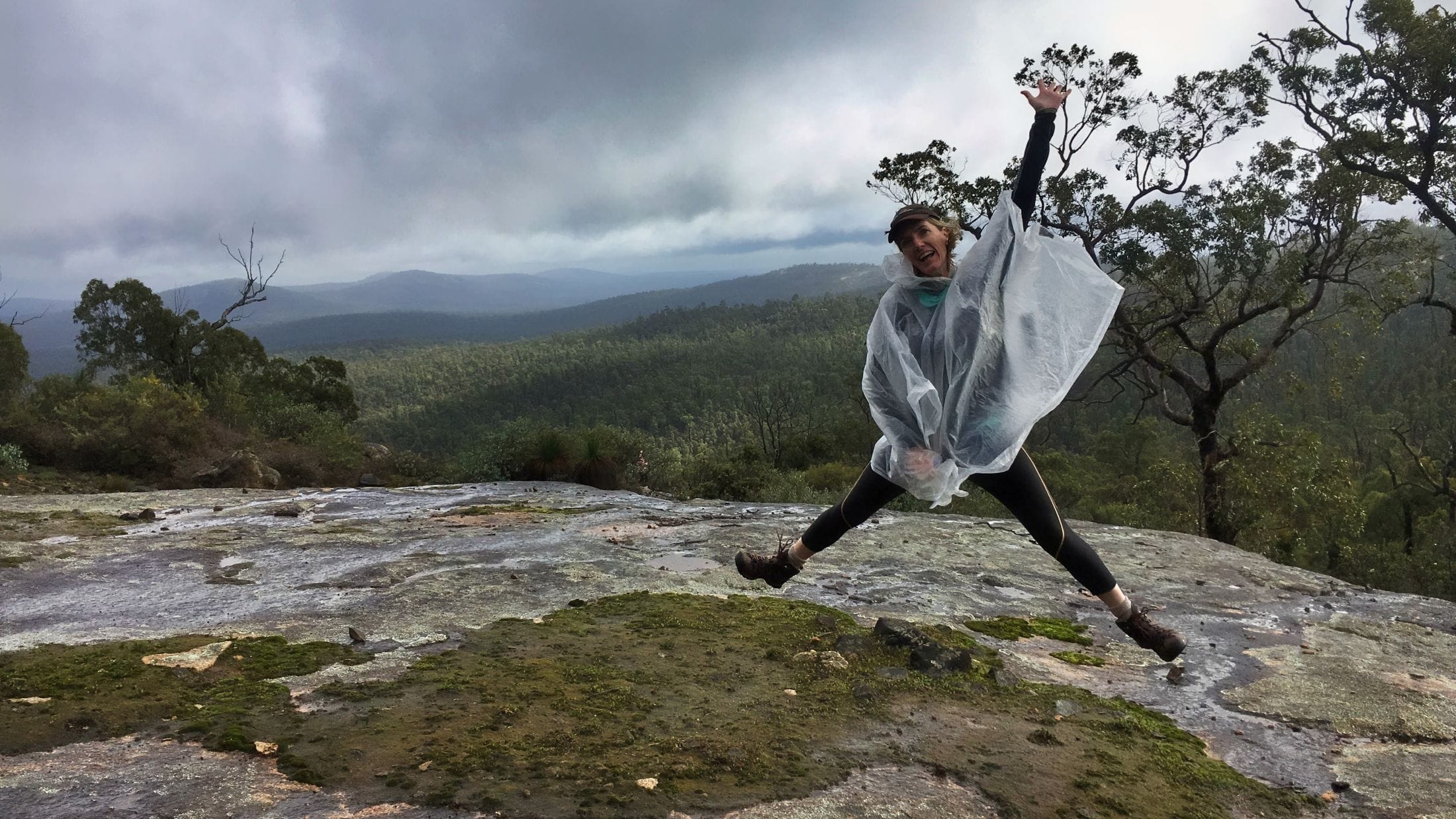
- The Southwest WA climate can change very quickly — you might start cool in the morning, get hot mid-day, and experience wind or rain all in one day.
- There’s dense bushland and granite outcrops (e.g., around Monkey Rock), so good footwear, and knowing your way matters, not all trails are well marked and you can feel remote quickly.
- Sun exposure is strong, so sun protection (hat, sunscreen, sun-smart clothing) is especially important.
- While the trails are popular, there could be areas with limited mobile signal, so planning for emergencies (map, PLB) is smart.
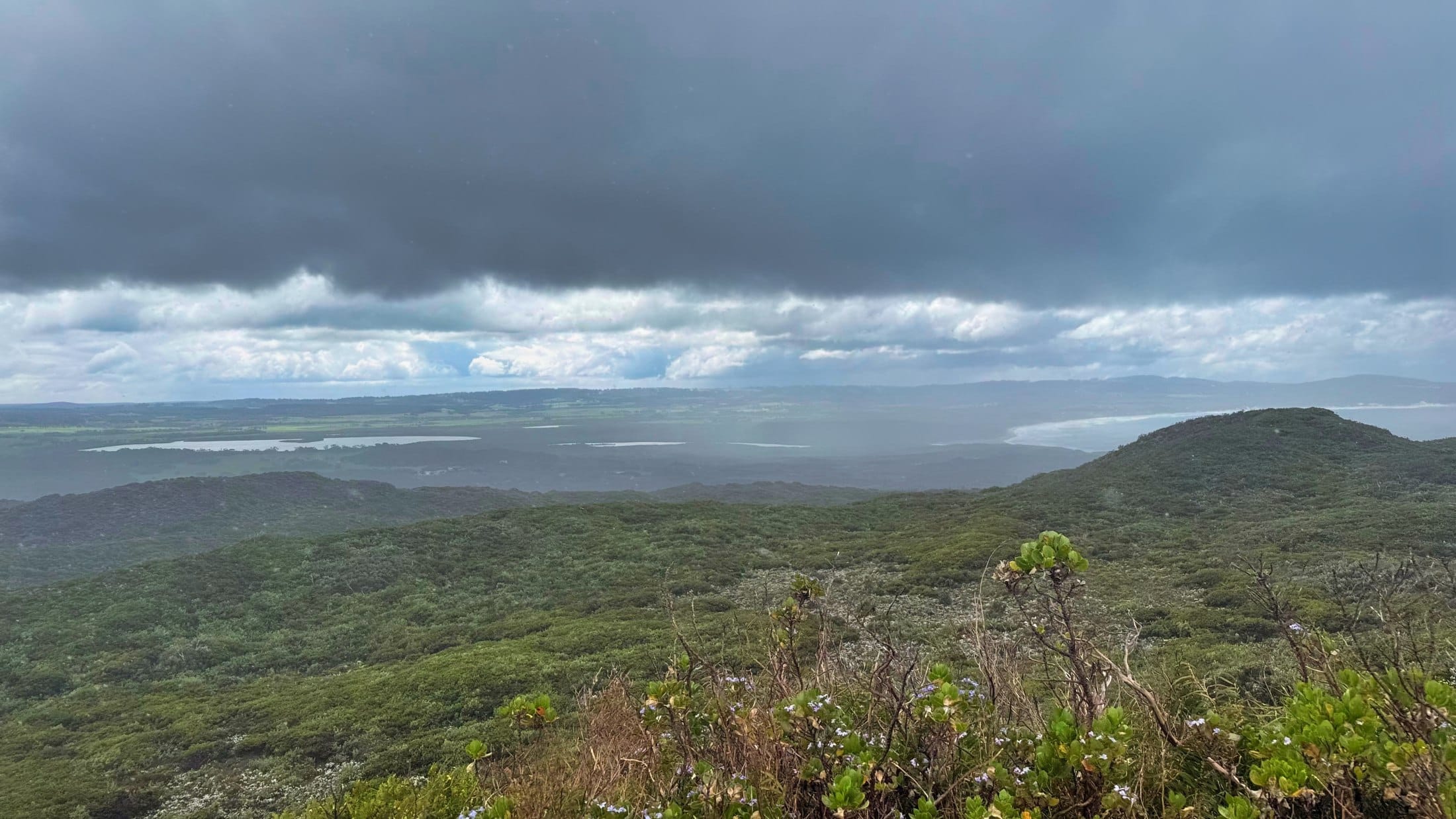
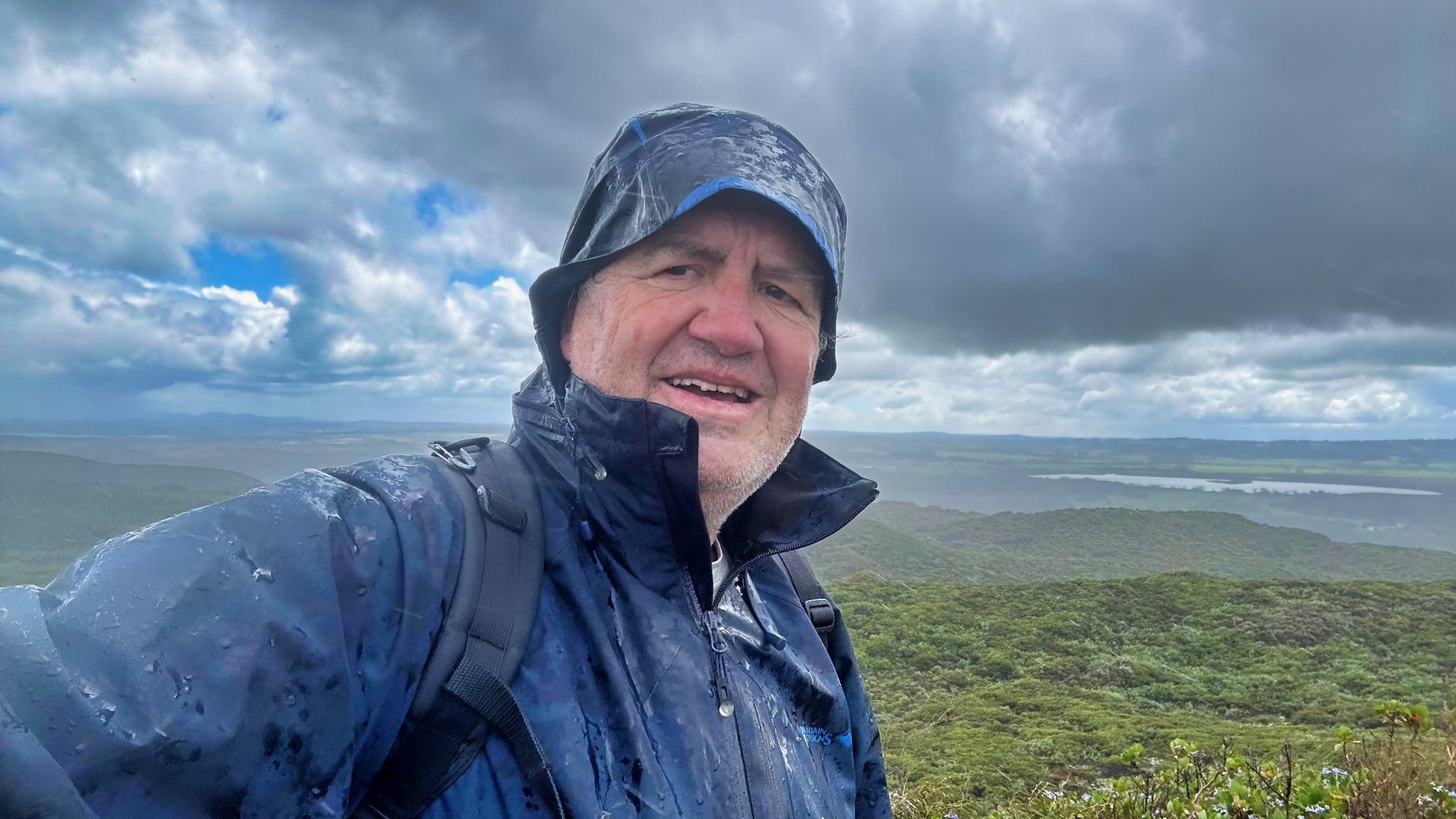
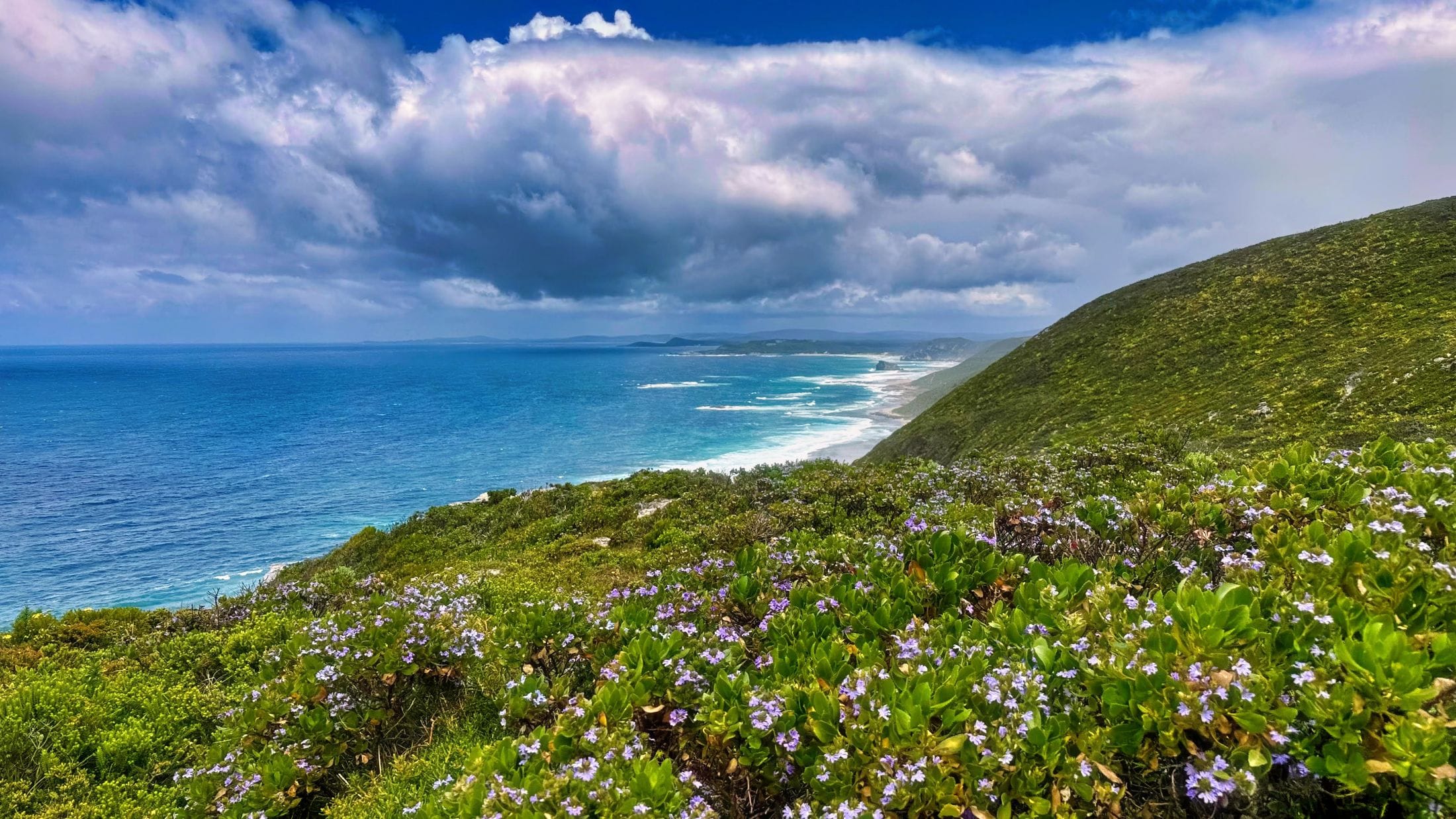
“I recently completed a 9 km hike during November on the coast, just west of Denmark. During the first 4 km, it was hot, with many flies. Suddenly out of no where, I was on top of a magnificent look out over the cliffs and I was hit by a storm, of heavy rain, strong winds and I became drenched. 15 minutes later, the sun was out, wind was gone and flies were back. I was prepared for every thing that happened that day. There is no bad hike, only badly prepared” – Didier from LifeTrail.
1. Backpack & Carrying
- Day-pack (20–30 L capacity) — enough for water, snacks, and extra layers.
- Dry bag or pack liner — to keep gear dry if it rains.
- Rain cover for pack (optional but very useful in wet weather).
2. Clothing
- Moisture-wicking base layer (shirt & undies) — synthetic or merino, not cotton.
- Light insulating layer — fleece or lightweight jumper for cooler mornings or shade.
- Waterproof/windproof jacket (with hood) — southwest WA can be unpredictable.
- Quick-dry hiking pants, shorts, leggings — synthetic, not cotton.
- Hat (wide-brim or cap) for sun protection.
- Sunglasses with UV protection.
- Beanie (depending on season) — especially autumn/winter.
3. Footwear
- Hiking boots, trail shoes or runners — non-slip comfortable walking shoes
- Optional: Gaiters — helpful for keeping out debris, especially if bushy terrain. Some people wear them against snakes.
4. Hydration & Nutrition
- Water bottles or hydration bladder — aim for the minimum 2 litres for a day hike in WA.
- Snacks / lunch — energy bars, trail mix, fruit, sandwiches, depending on how long you expect to take and is advised for the hike
- Electrolyte tablets or powder (optional, but helpful on hot days).
5. Navigation & Communication
- Map of the trail / printed map.
- GPS device / phone, many hiking apps allow you to download the map so you can see it offline.
- Personal Locator Beacon (PLB) or satellite messenger — if going into remote areas with no mobile coverage.
6. Safety & First Aid
- Personal first-aid kit: bandages (including triangular/snake bandage), antiseptic, blister treatment, etc.
- Insect repellent — southwest WA has insects, also bring a fly net.
- Sunscreen (high SPF) + lip balm with SPF.
- Head torch — even on longer or afternoon day hikes, good in case of delays.
7. Other Gear
- Rubbish bag — “carry in, carry out” your rubbish.
- Toilet paper + trowel — for Leave No Trace toileting.
- Bandanna — good for sweat management, sun protection, or warmth.
- Hiking poles (optional) — can help with balance on uneven trails, climbs or if you have wobbly knees.
- Phone (charged) + portable charger / power bank.
8. Planning & Safety Prep
- Check the weather forecast before heading out — southwest WA can shift quickly.
- Visit appropriate websites for up to date information e.g. Bibbulmun Track Foundation, Emergency WA
- Tell someone your plan — where you’re going, when you’ll be back.
- Prevent spread of disease: Clean gear (especially boots) before walking in different areas to avoid spreading dieback. (Good leave-no-trace practice.)
- Lastly have a look at the 7 Leave No Trace Principals